



Hurricane Financial Prep: Insurance & Documents to Have Ready
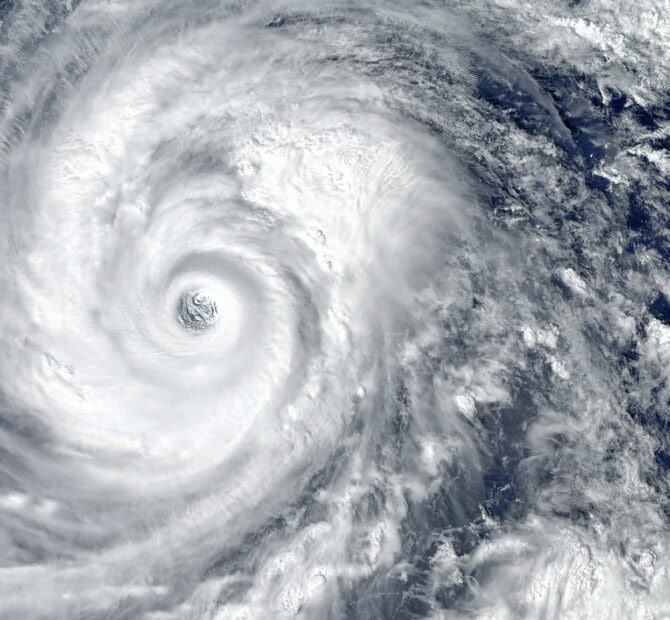

A simple, member-friendly guide to help you review coverage, protect key records, and take a few small steps now that can make recovery easier later.
When a hurricane hits, the most time-consuming part of recovery often isn’t the clean-up, it’s the paperwork. Claims, repairs, temporary housing, and disaster assistance usually move faster when your insurance coverage is current and your key documents are easy to access. Here are widely recommended financial-preparedness steps (based on FEMA/Ready.gov, the NCUA, and consumer finance guidance) that can help reduce stress before and after a storm.
In this article:
What to review and save before hurricane season
What to document after a storm to speed up claims
A 10-step checklist you can complete this week
Before the storm: get coverage and documents in order
- Review your insurance annually. Confirm coverage for your home, vehicle, and personal property before hurricane season. Standard homeowners insurance typically doesn’t cover flood damage, so you may need a separate flood policy (often through the National Flood Insurance Program, NFIP).
- Build an emergency fund. A dedicated savings cushion can help cover evacuation costs, fuel, food, supplies, and insurance deductibles often before any reimbursement arrives.
- Keep some cash available. Power outages can disrupt ATMs and card processing. Store a small amount of cash (including small bills) in a safe, accessible place.
- Digitize and protect key documents. Keep physical copies in a waterproof, fire-resistant, portable container, and store encrypted or password-protected digital copies in secure cloud storage. Include IDs and vital records (e.g., Social Security cards, passports, birth certificates), insurance policies, and property records.
- Create a home inventory. Photo/video each room and save the file to the cloud. A current inventory can help speed up claims and support valuations.
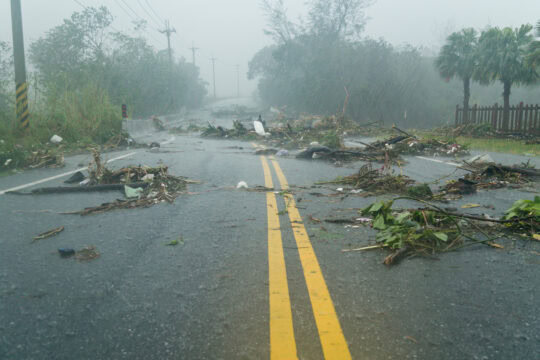
After the storm: document, stay safe, and watch for scams
- Save receipts. If you evacuate or incur extra costs, keep receipts for lodging, meals, and essential purchases. These can support insurance claims for Additional Living Expenses (ALE) / “loss of use,” if included in your policy.
- Reduce additional damage where it’s safe. Once conditions allow, protect valuables from water intrusion (move items higher, cover openings). Take photos before you start major cleanup or temporary repairs.
- Watch for fraud. Be cautious of high-pressure contractors and fake charities. Avoid paying the full amount upfront—especially in cash—and verify credentials when possible.
Quick checklist: 10 financial moves to make this week
- Review homeowners/renters coverage and your hurricane/wind deductible.
- Confirm whether you have flood coverage (and whether you need it).
- Update coverage limits and “loss of use” details.
- Record your insurer/agent contact info (and claims steps) in two places.
- Video your home room-by-room; save the file in the cloud.
- Build a simple emergency binder (IDs, policies, titles/deed/lease, medical info).
- Scan key documents; store password-protected digital copies.
- List account numbers and customer service lines for banks, lenders, and utilities.
- Set up banking alerts and strengthen passwords/2-step verification where available.
- Set aside some cash and a system for saving receipts after the storm.
Sources & further reading
- FEMA / Ready.gov: Hurricane preparedness documents and the Emergency Financial First Aid Kit (EFFAK): https://www.ready.gov/collection/hurricane-documents
- Consumer Financial Protection Bureau (CFPB): Get prepared before a disaster or emergency strikes: https://www.consumerfinance.gov/consumer-tools/disasters-and-emergencies/get-prepared-before-disaster-emergency-strikes/
- CFPB: Your disaster checklist (PDF): https://files.consumerfinance.gov/f/documents/cfpb_your-disaster-checklist.pdf
- NCUA: Hurricane and disaster information (share insurance and resources): https://ncua.gov/regulation-supervision/manuals-guides/hurricane-disaster-information
A little planning goes a long way. If a storm is in the forecast, use the checklist above to gather what you need and save what you can—so you can focus on safety first and paperwork second.
Operational Updates and Additional Resources
If you’ve been impacted, check here first for the latest service information and next steps.